
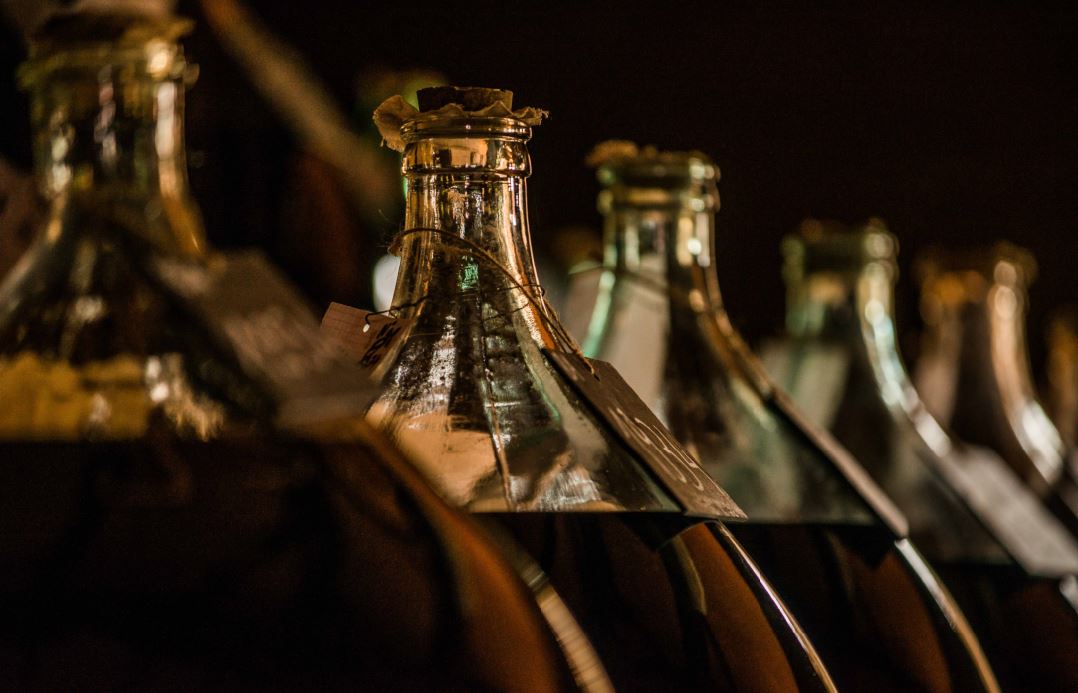

1918 Armagnac: distilled in the year of the Armistice
1918 - November 11th at 11 a.m., bells ring throughout France: the Armistice is signed, the Great War is over after four years of carnage. But the Spanish flu, even deadlier, continues to ravage the world - between 50 and 100 million dead. The Tour de France has been suspended since 1915: France has no heart for racing, all able-bodied men are at the front. At the cinema, D.W. Griffith shoots Broken Blossoms, the first film to treat the war with poetry and sensitivity - a revolution in the budding art of cinema. In Gascony, the winemakers who maintained the cellars throughout the war distill this vintage of liberation with immense relief. After 108 years of aging in Gascon oak barrels, the 1918 Armagnacs carry within them all the gravity and hope of this pivotal year: rancio of historic intensity, deep incense, rare spices. Witnesses to the Armistice.
Our 1918 selection
- Atelier Jean Cavé — our 1918 Armagnac, available on Cap Vintage
- 1918 Banyuls, Maury, Rivesaltes - natural sweet wines from Roussillon distilled in the year peace was restored
Each bottle is shipped in exceptional presentation packaging, with a certificate of authenticity and personalized tracking.
Why is 1918 Armagnac so rare?
Produced during the final months of the war under extremely difficult conditions, then preserved for 108 years, this Armistice vintage is of absolute unique rarity and symbolic significance. These bottles are living witnesses to one of the most moving moments in French history.
What is the price of a 1918 Armagnac?
These bottles are offered upon request. Prices generally range from 2,000 to 5,000 euros depending on the producer. Contact us to find out about current availability.
Is a 1918 Armagnac still drinkable?
Yes - preserved in barrels under optimal conditions and then bottled, these 108-year-old spirits are perfectly preserved and possess extraordinary aromatic complexity.
Are there other spirits from the 1918 vintage?
Yes - Cap Vintage also offers 1918 Banyuls, Maury, and Rivesaltes, natural sweet wines from Roussillon distilled in that same year of the Armistice.


